

If your allergies are always on full blast, it could be because the problem is inside the house.
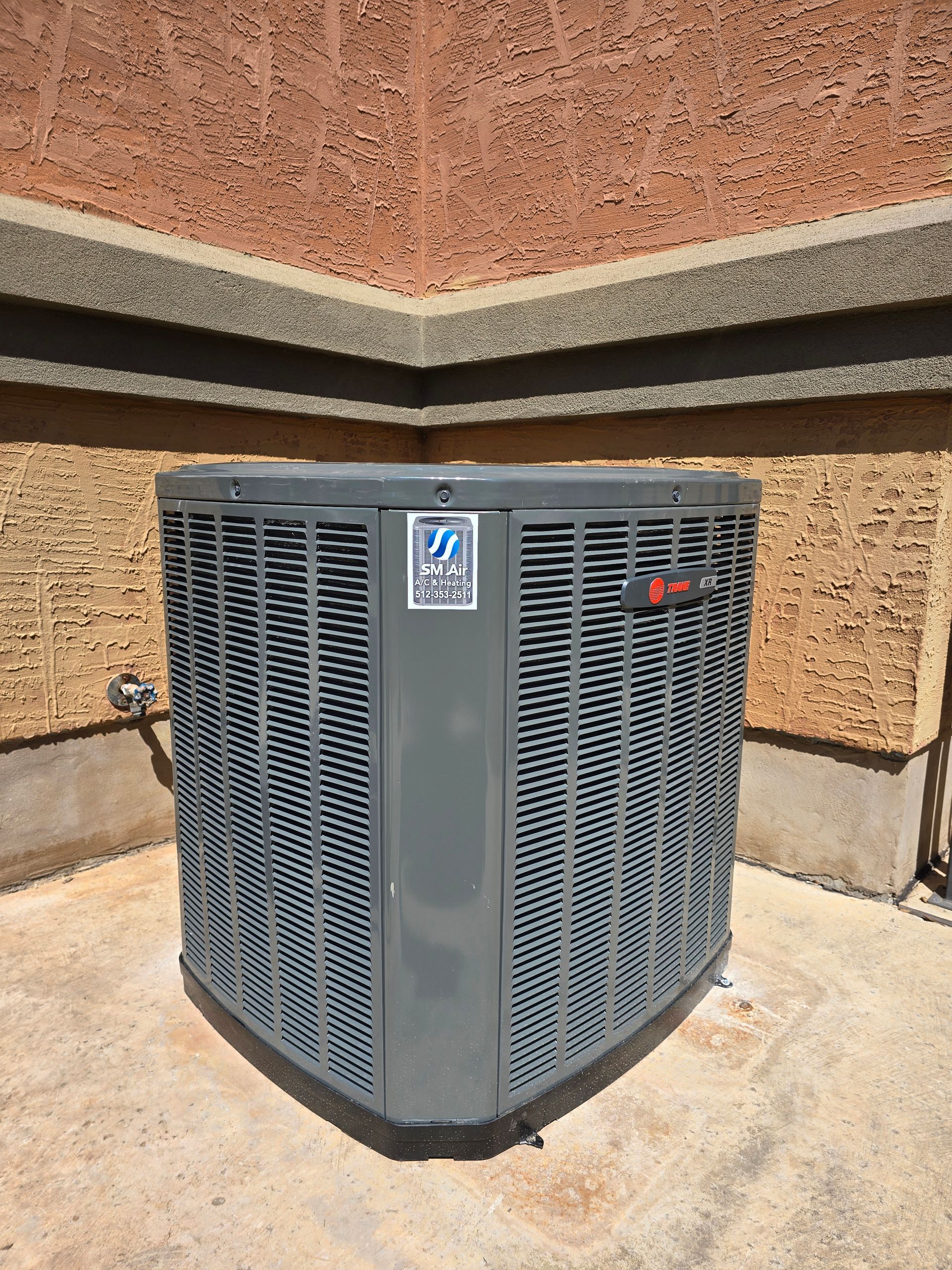
It's not just the pipes inside of a building. Thieves are also stealing copper from AC units.

Learn what can cause a musty or otherwise unpleasant smell in your HVAC unit and how to prevent and address it.
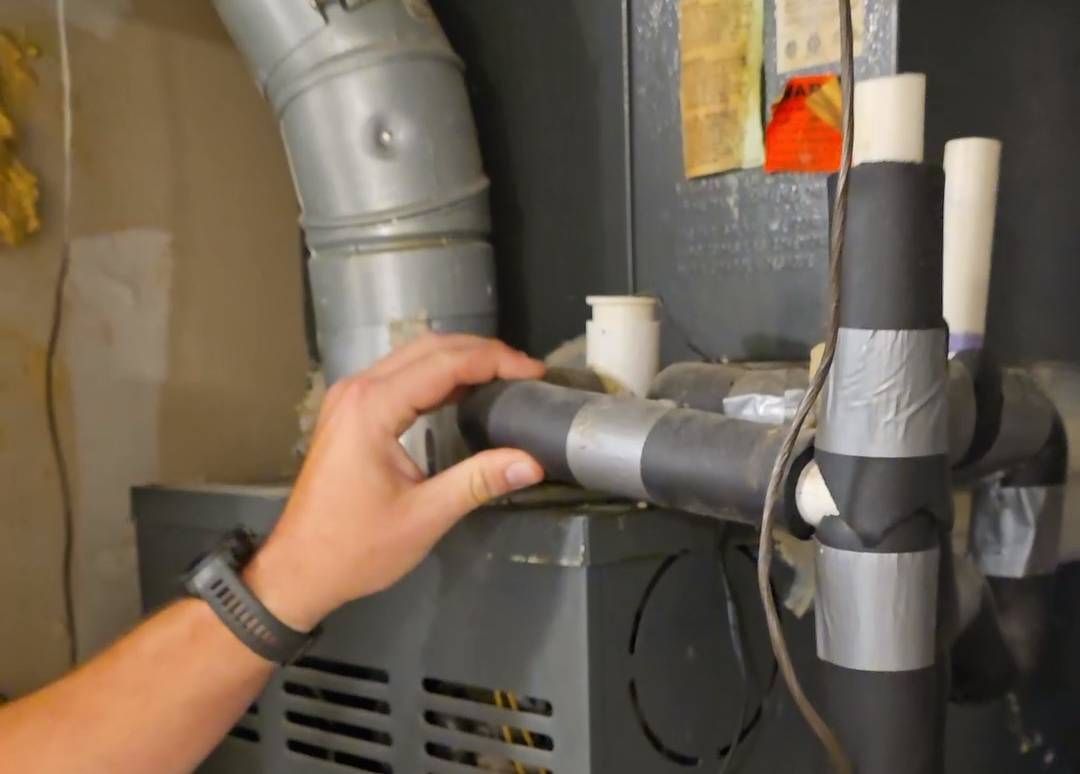
Discover how a dripping AC unit could be signs of a clogged condensate line, and what you can do to prevent it from causing bigger problems.
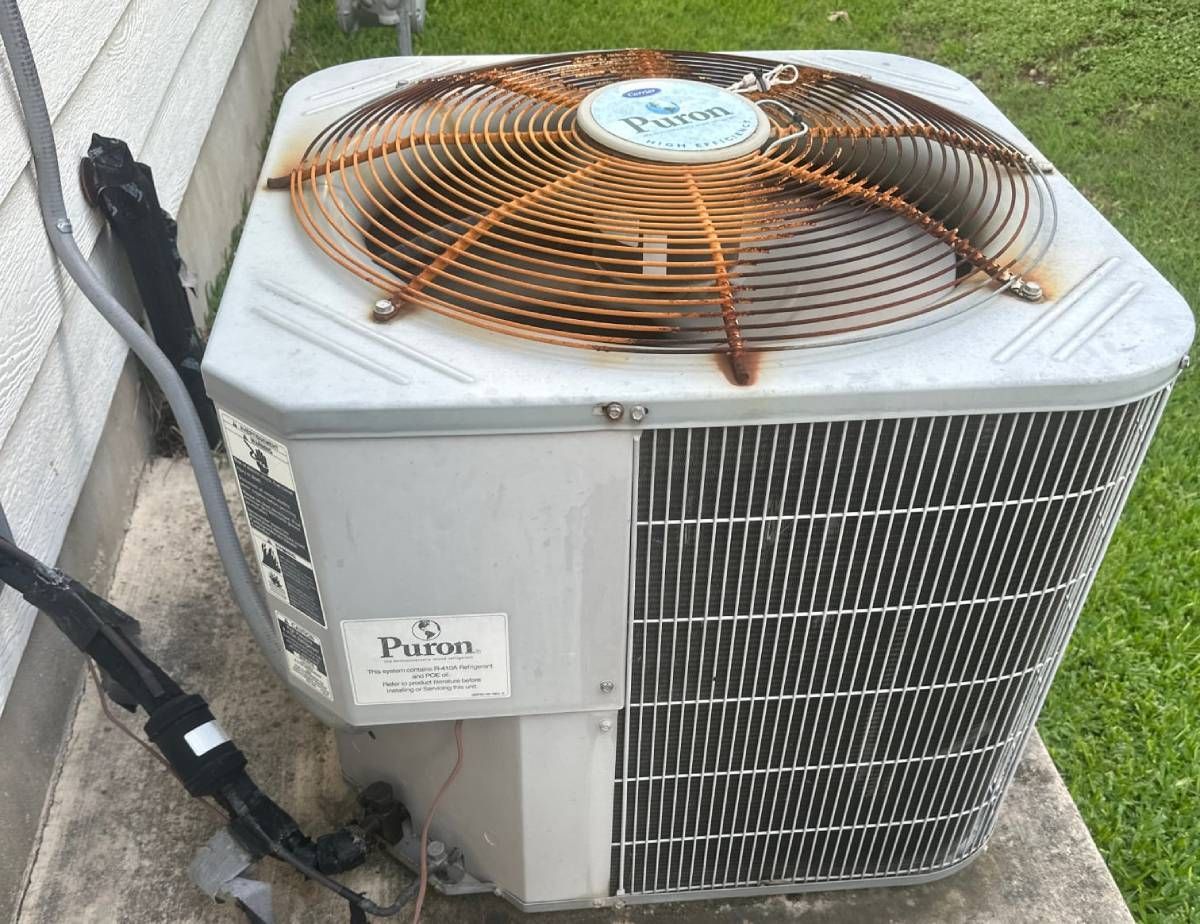
Is your HVAC fan running nonstop? Learn the common causes, from thermostat and airflow issues to dirty filters, and when to call a professional.

Did you know that there's a home appliance that you can use as a handy cheat code to make your AC work even better? And the good news is, you probably already have one: your ceiling fan. The combination of your AC unit’s cooling powers and the fan’s ability to move the air can make your home feel up to 4 degrees cooler than your thermostat setting. Here’s a quick look at how this works, and how using the AC-ceiling fan combo can save money. How Your Ceiling Fan Helps Your AC Unit Humans experience moving air as colder than still air, even if they’re technically the same temperature. This is why a ceiling fan’s air flow will feel comparatively refreshing even if it doesn’t actually cool the air; it’s also why wind chill is a thing. Now, take all that into account, and imagine that the ceiling fan is moving air that actually is cooler than the weather forecast says, courtesy of your AC unit. That, in a nutshell, is how the teamwork between your AC unit and your ceiling fan works. One of them brings the cold, the other simulates wind. Working by itself, your AC unit can be hard-pressed to distribute the air that it has cooled, and even if it can, simply filling the space with a relentless barrage of overly cold air isn’t necessarily a fun experience in the long run. Likewise, the ceiling fan alone isn’t going to do much when the weather gets hot enough. Combine the AC’s constant output of cooler air with the fan’s ability to move that air around, however, and you get a comfortable, evenly — distributed airflow that can feel roughly 4 degrees colder than it actually is — and you can adjust your thermostat accordingly. Using a Ceiling Fan/AC Combo Will Definitely Save Money So, about that thermostat. Apart from the pleasant coolness that the AC unit-ceiling fan combo can provide, keeping your AC settings a few degrees warmer than you otherwise would is going to have an impact on your utility bill. In all likelihood, your fan will only use a small fraction of the electricity that you save with that thermostat adjustment, too. There are obviously lots of variables on just how much money you might save. However, one study from Florida has found that the combined use of an AC unit and a ceiling fan for cooling purposes means that you’ll use around 14% less energy to cool your home — and that’s with keeping the thermostat just 2 degrees warmer than usual. Another study found that using the fan-AC system and adjusting the thermostat from 77 degrees to 80.6 degrees will reduce energy consumption by a cool 10%. As such, this is definitely a trick worth considering. There Are Downsides To Using a Ceiling Fan With Your AC Unfortunately, nothing in this world is perfect, and this trick isn't an exception to that rule. There are some obvious things to remember when using your AC and ceiling fan together. For instance, the fan should ideally be in the same room as your AC unit (in the case of a ductless system). And the location of the fan matters, since you wouldn’t want to spend the day sitting directly under a fan that’s moving cooled air any more than you’d like to spend it directly in front of a cold-blasting AC vent. There are other things to take into account, too. Unlike the AC unit, the ceiling fan has no filters, so it will happily spread around whatever impurities the air might have. Another thing your ceiling fan can’t do is dehumidify the air, so running your AC on a lower than usual setting can be a bad call whenever things are liable to get damp. Keeping all this in mind, though, your AC unit and your ceiling fan can form an excellent team during the hot months.
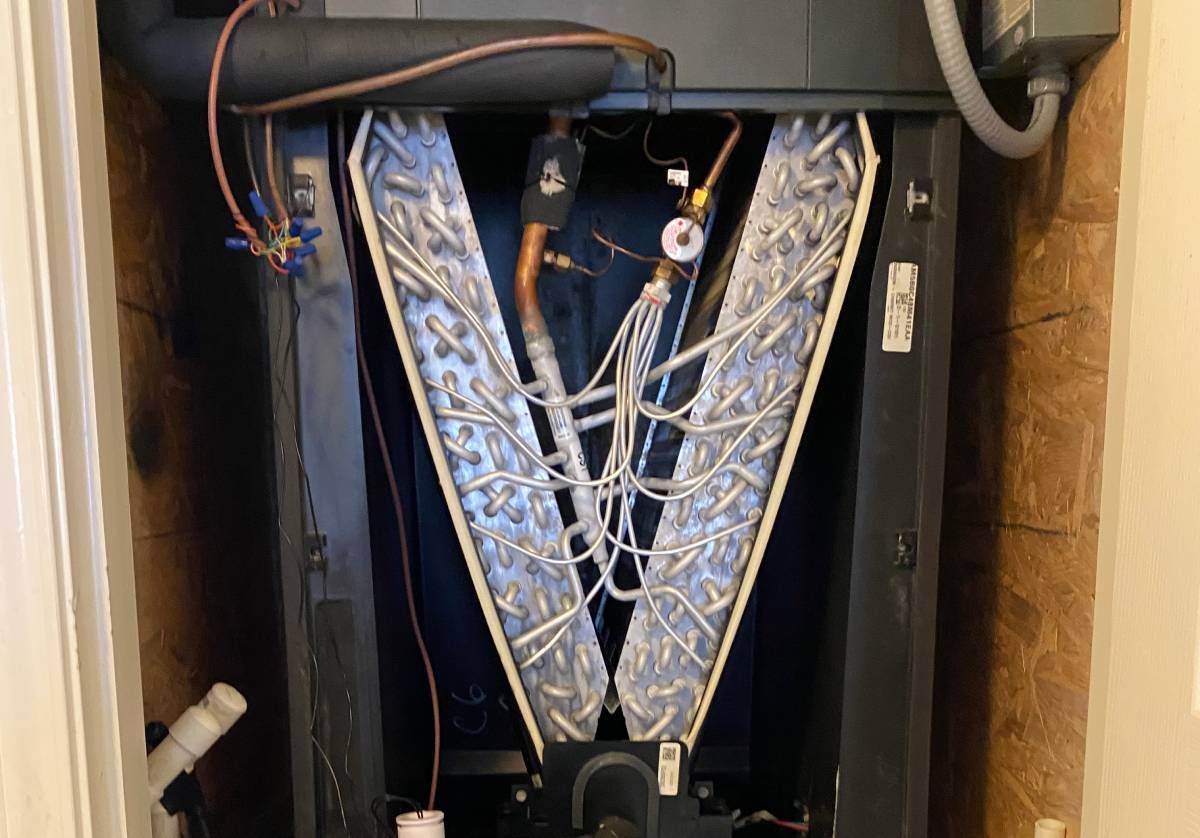
Hissing sounds, ice, humidity, weak cooling, and higher energy bills can all point to a possible AC refrigerant leak.
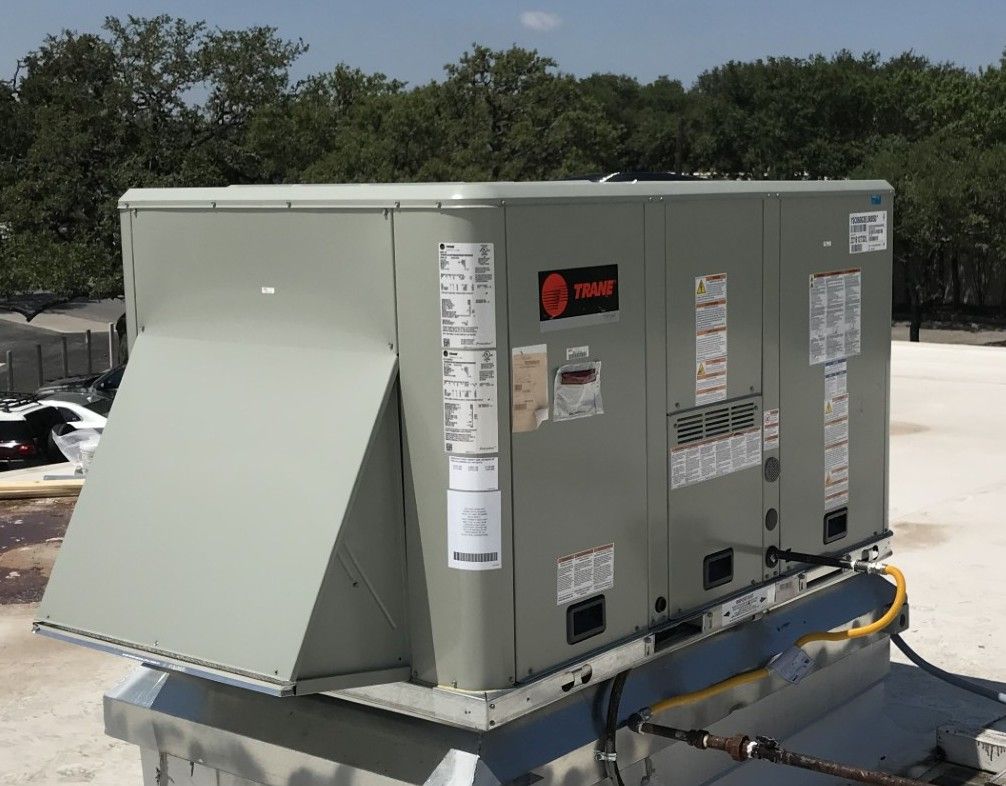
New refrigerant rules are changing what HVAC systems can be installed and serviced. Here’s what homeowners should know.
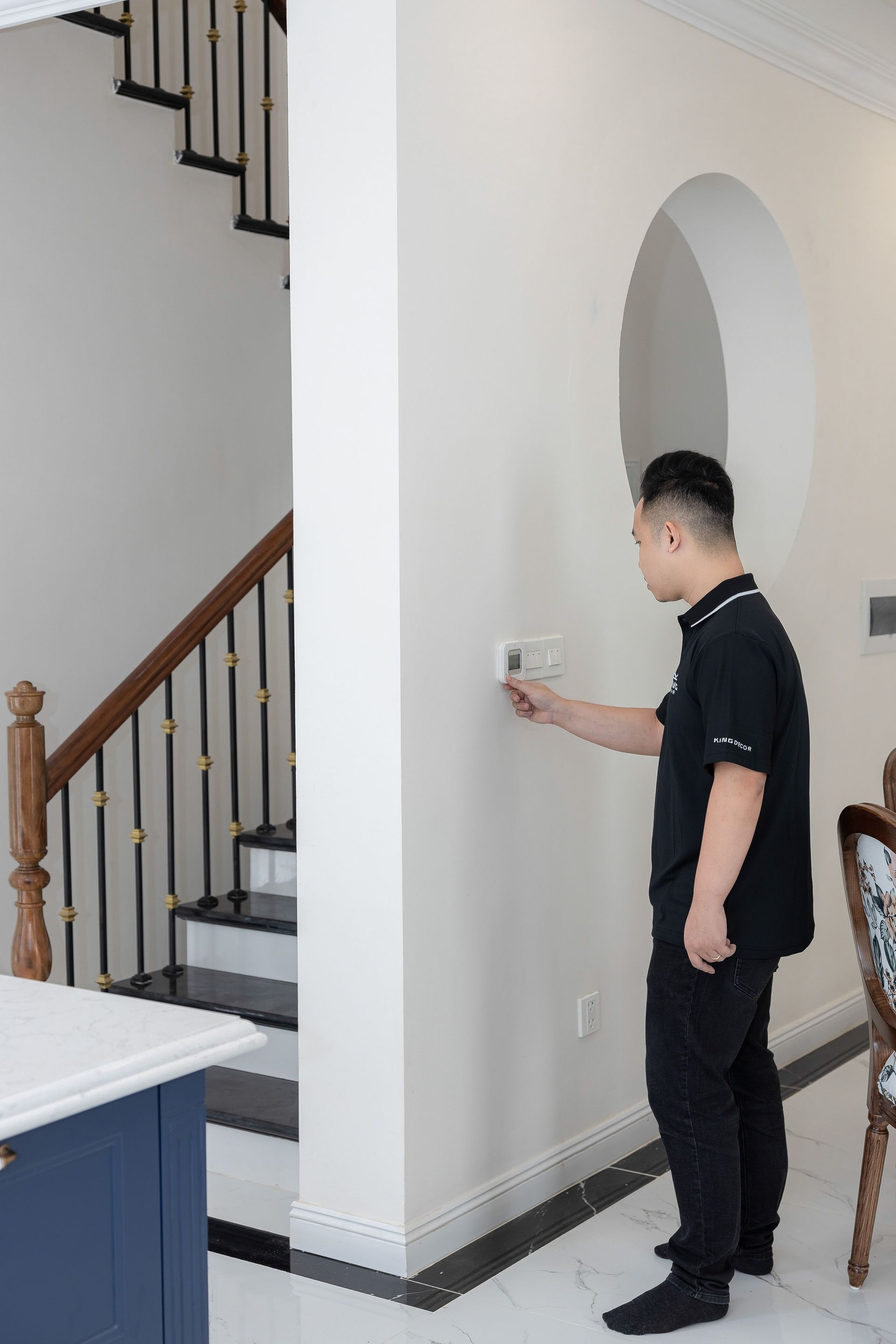
Auto mode is useful, but it is not always the best setting for every home. Learn when another thermostat setting may make sense.
