There’s a lot more to HVAC units than just keeping them operational and remembering to maintain them. There are also industry regulations that might affect the way your system. In fact, 2026 is a touchstone year on this front, because it marks the next stage
of a major refrigerant rule that has been in the works for quite some time now.
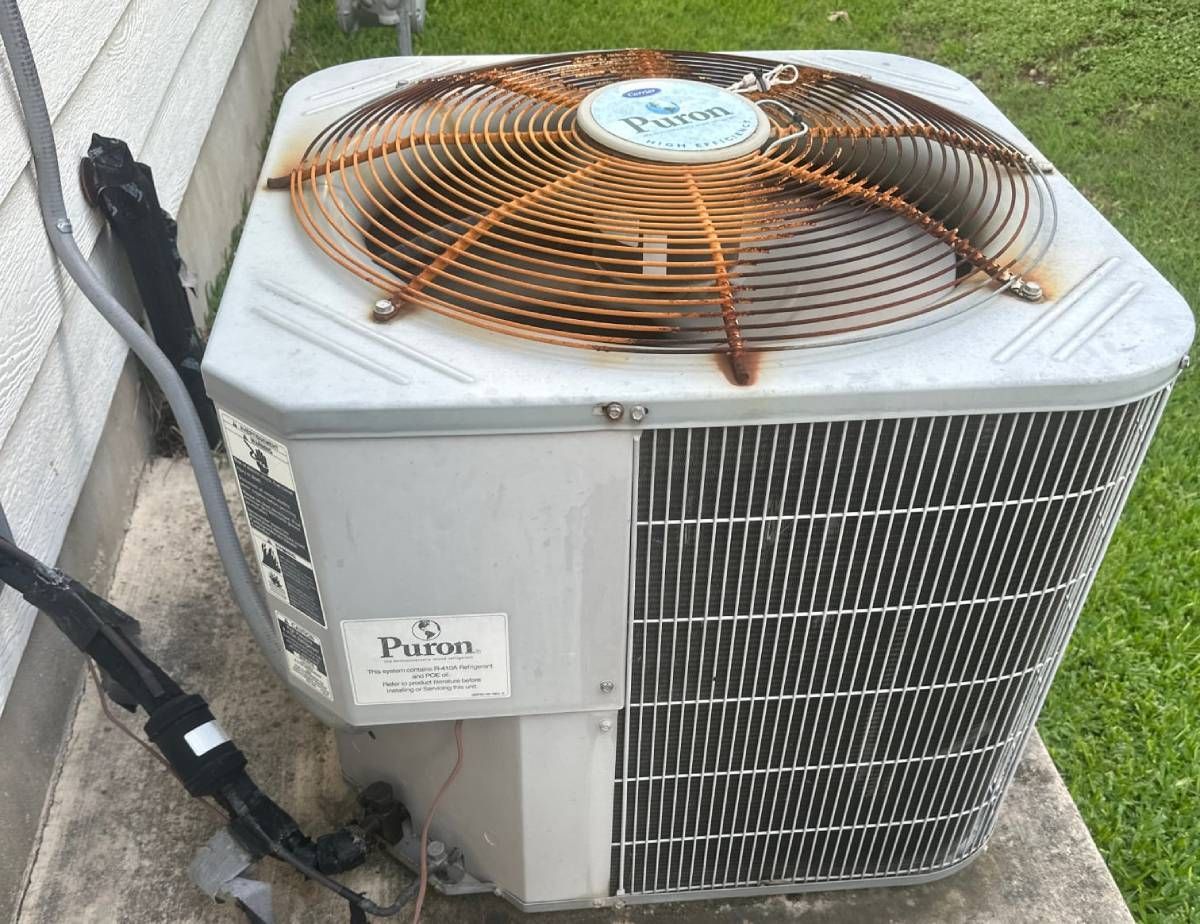
The requirements will become effective on July 27, and they’re about the installation of new HVAC units that use older R-410A refrigerants. Per demands of the American Innovation and Manufacturing Act of 2020, the systems using old refrigerants have already been on their way out for a while. Now, these older units have some breathing space, because the new rule allows the installation of existing HVAC systems that use R-410A until supplies run out.
Let’s take a closer look at what’s going on, and how it could affect you and your system.
What is the New Refrigerant Rule About Anyway?
The environment.
The
American Innovation and Manufacturing Act of 2020 comes courtesy of the U.S. Environmental Protection Agency, which is taking HVAC refrigerants toward a more ecological direction. In the long run, this means that every HVAC system in the country will eventually be using new A2L refrigerants instead of the old R-410A ones.
These things take time, of course, and the last few years have been a transitional period. After January 1, 2025, HVAC units that used the old refrigerants haven’t been manufactured anymore, so they’re already slowly going off the market. On January 1, 2026, it became forbidden to install units that use the old R-410A refrigerants, but that deadline turned out to be too tight for the industry.
EPA has now amended the rule, and July 27 marks the date when older HVAC units can be installed again. It’s going to be an “while supplies last” kind of situation, since they aren’t manufactured anymore.
It’s also good to note that the rule won’t apply to certain simpler systems, such as window AC units. They’re following their own phase-out timeline, where products with old refrigerants can be sold until January 1, 2028.
What Was Wrong with the Old Refrigerants?
In a nutshell, the old R-410A refrigerants have more greenhouse gases than
the new A2L ones. This means that the A2L refrigerants have lower global warming potential over time.
How Will This Affect Your Air Conditioning System?
Unless you’re a homebuilder, renovator, or otherwise making big HVAC decisions at this very moment, this probably won’t cause any immediate issues. Regardless of when your current unit was installed and what refrigerant it uses, it’s completely all right to keep using it until the natural end of its life cycle. Spare parts should also remain available, because older units need to be fixed and maintained, too.
Still, if you’re either using or planning to get a system that uses the older R-410A refrigerant, it’s good to remember that the technology is slowly being pushed to the side. Yes, units can still be bought and installed, and components will remain in production for maintenance purposes. However, the industry will manufacture less and less R-410A over the years, with the goal of producing just 15% as much as it does now by the year 2036. This means that at some point, R-410A will be pretty hard to come by, so there will come a day when refrigerant leaks in older systems become way more challenging to fix.