Whenever news outlets start covering weather events with buzzy names, you might want to think about your HVAC unit.
Heat waves and cold spells obviously affect the way you use your system, but there are also other weather phenomena that you should be prepared for. Some of the more eventful ones happen during the
Atlantic hurricane season, which is precisely what it says on the label. Starting in June and running all the way through November, this is when particularly big storms and hurricanes form on the Atlantic Ocean and potentially cause trouble in Texas, such as
Tropical Storm Arthur, the first named storm of the 2026 season.
Your average Atlantic hurricane season will statistically have around 14 named storms and 10 hurricanes. They generally start turning up in August, and of course, their numbers vary from year to year.
Fortunately, there is sometimes a silver lining from the Pacific side of things. One thing that can and often does affect the Atlantic hurricane season is
El Niño, the recurring Pacific Ocean phenomenon where unusually warm surface water causes various large-scale weather patterns. A big El Niño usually means a less severe Atlantic hurricane season, and since 2026 is a “Super El Niño” year, it could mean fewer hurricanes than usual.
This is all statistics and weather prediction, though, so there’s an element of estimation and educated guesswork involved. As such, it’s good to keep up to date with how the weather is treating your area, and keep a minimum of three days’ worth of emergency supplies handy in case the skies get seriously rough. If you’re unsure what these supplies should include, several government agencies provide detailed
suggestions for hurricane supply lists ... and when you’re all prepped up, it’s time to make sure that your HVAC unit is ready for the storm, as well.
Stormproofing Your HVAC During Hurricane Season
The key thing for keeping your HVAC unit as ready for harsh weather as possible is to stay ahead. Regular, professional maintenance checks will help your system stay shipshape and help it withstand the forces of nature. For hurricane season, though, there are several things you can (and should) take care of yourself.
- Your outdoor HVAC unit needs structural integrity, meaning you’ll want to keep it in one piece. So, doing your best to make sure the unit is physically as secure as possible is your first step.
- Luckily,
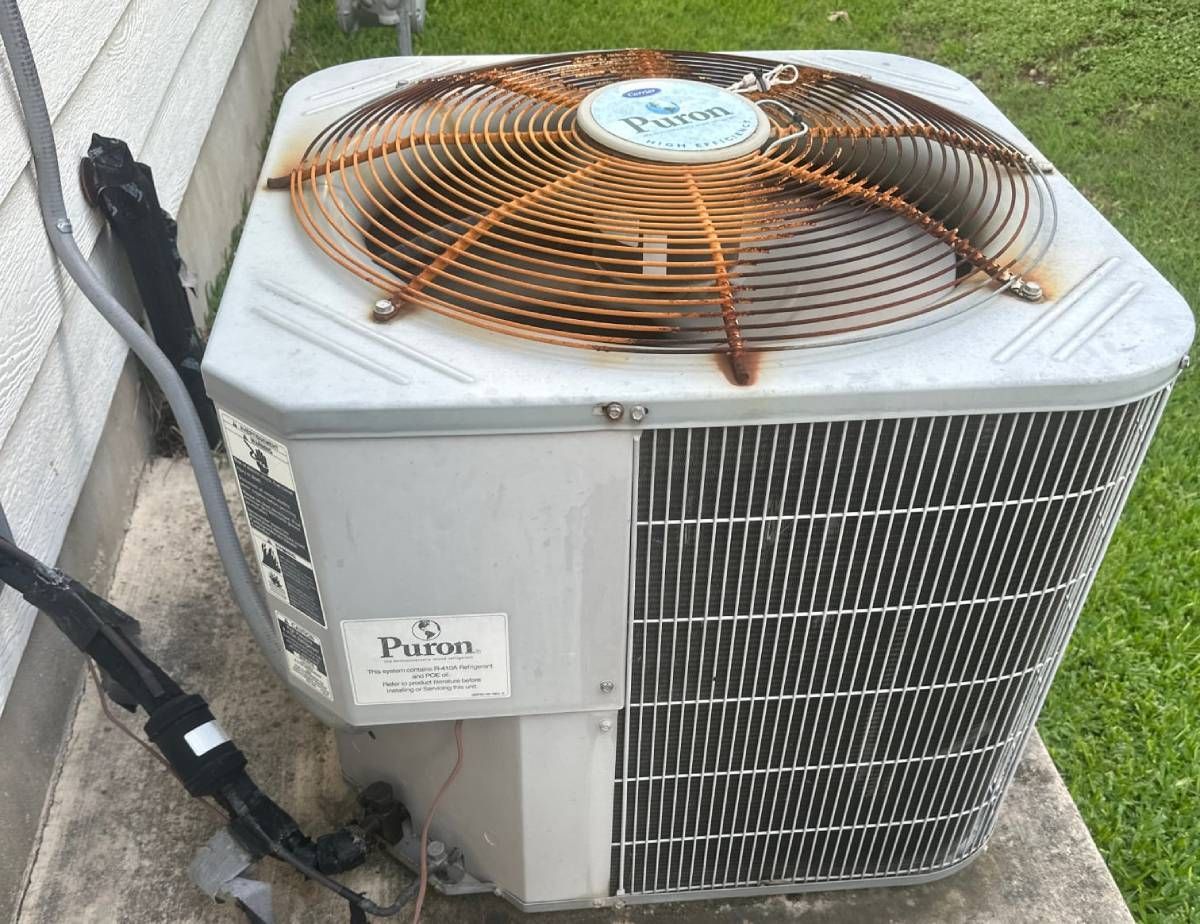
stormproofing your outdoor HVAC unit is far from impossible. First, take some time to check that it’s not at risk of being damaged by potential flooding water. Then, make sure that the unit has shelter from whatever debris an approaching storm may throw its way. Remove all loose and potentially damaging items from its vicinity, and make sure that it’s safely secured – preferably with
properly installed hurricane straps.
- For the unit itself, you can use a protective AC unit cover. If you don’t have one, you can go DIY and construct one by strapping, say, a tarp or plywood around the unit. Window units can simply be unplugged and removed from the window ahead of a hurricane.
Apart from taking steps to ensure that your HVAC unit is physically as protected as possible, you should also be aware of when the system can safely be used during heavy weather. If it’s just raining, you can use AC just fine, as long as the outdoor unit isn’t obstructed in any way. However, in the event of heavier weather like a lightning storm or an outright hurricane, you should make sure that the system isn’t in use and turn it off at the breaker. Once the hurricane passes, you should also take time to check your HVAC system for potential storm damage before turning it back on.